Meet Dr. Correia
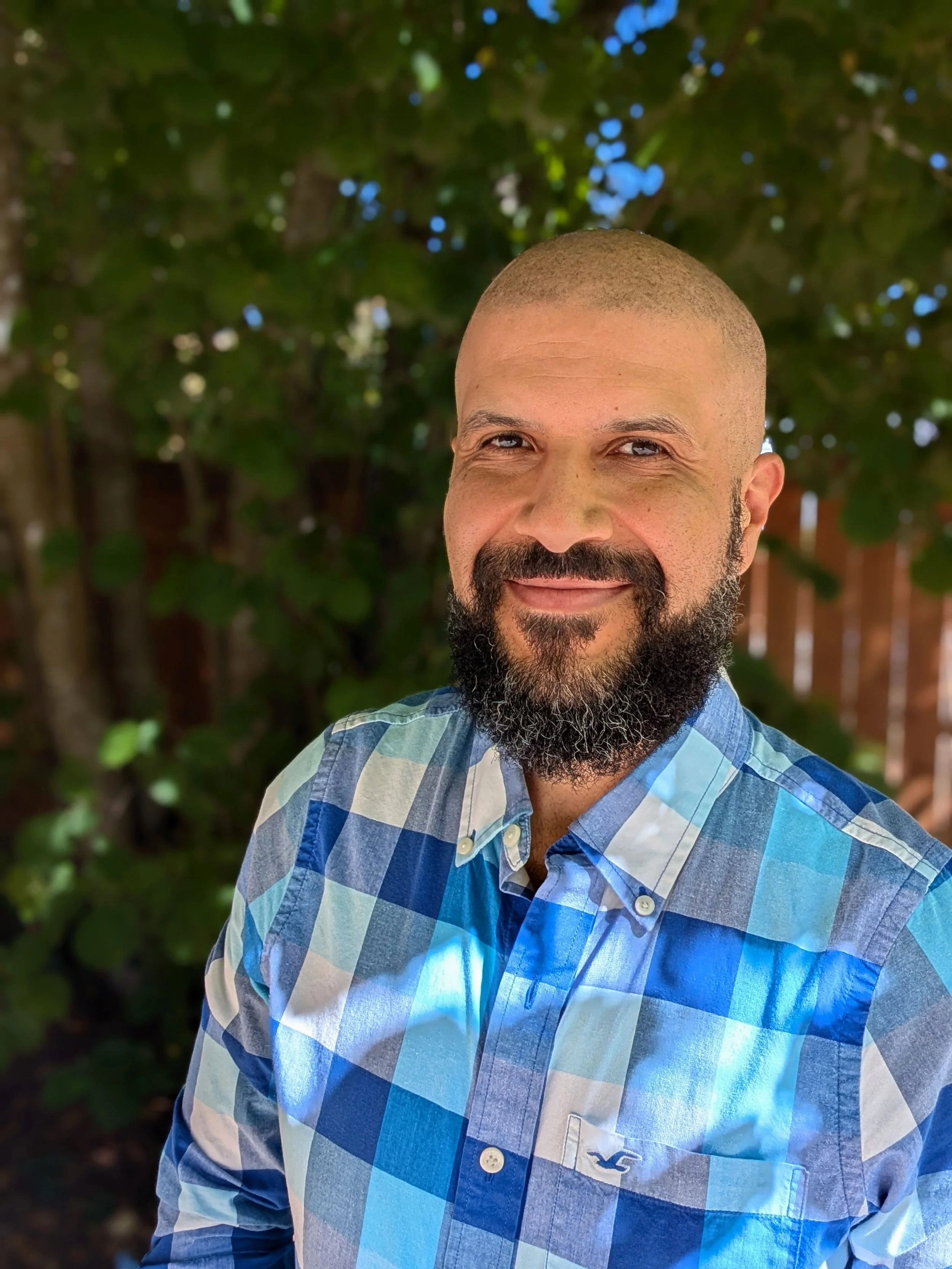
I attended graduate school at the Pacific Graduate School of Psychology at Palo Alto University (PAU) in California, where I obtained a Ph.D. in Clinical Psychology. I completed my pre-doctoral clinical internship at the W.G. Bill Hefner Department of Veterans Affairs (VA) Medical Center in North Carolina. Afterwards, I completed my post-doctoral clinical residency at the VA Puget Sound Healthcare System, American Lake Division (Tacoma, Washington) where I specialized in Behavioral and Cognitive treatment of Posttraumatic Stress Disorder (PTSD).
My partner and I loved Washington so much that we decided to stay long term. After residency, I took a staff psychologist role with the VA where I have worked ever since. My role on staff has enabled me to work with culturally diverse individuals who sought help with a wide range of mental health concerns, including my area of expertise (PTSD treatment). I was also heavily involved in the psychology training program at the VA, which included clinical supervision and mentorship of psychology trainees. Accompanying our country’s Veterans on their mental health journeys has truly been a privilege and I carry those experiences with me into private practice.
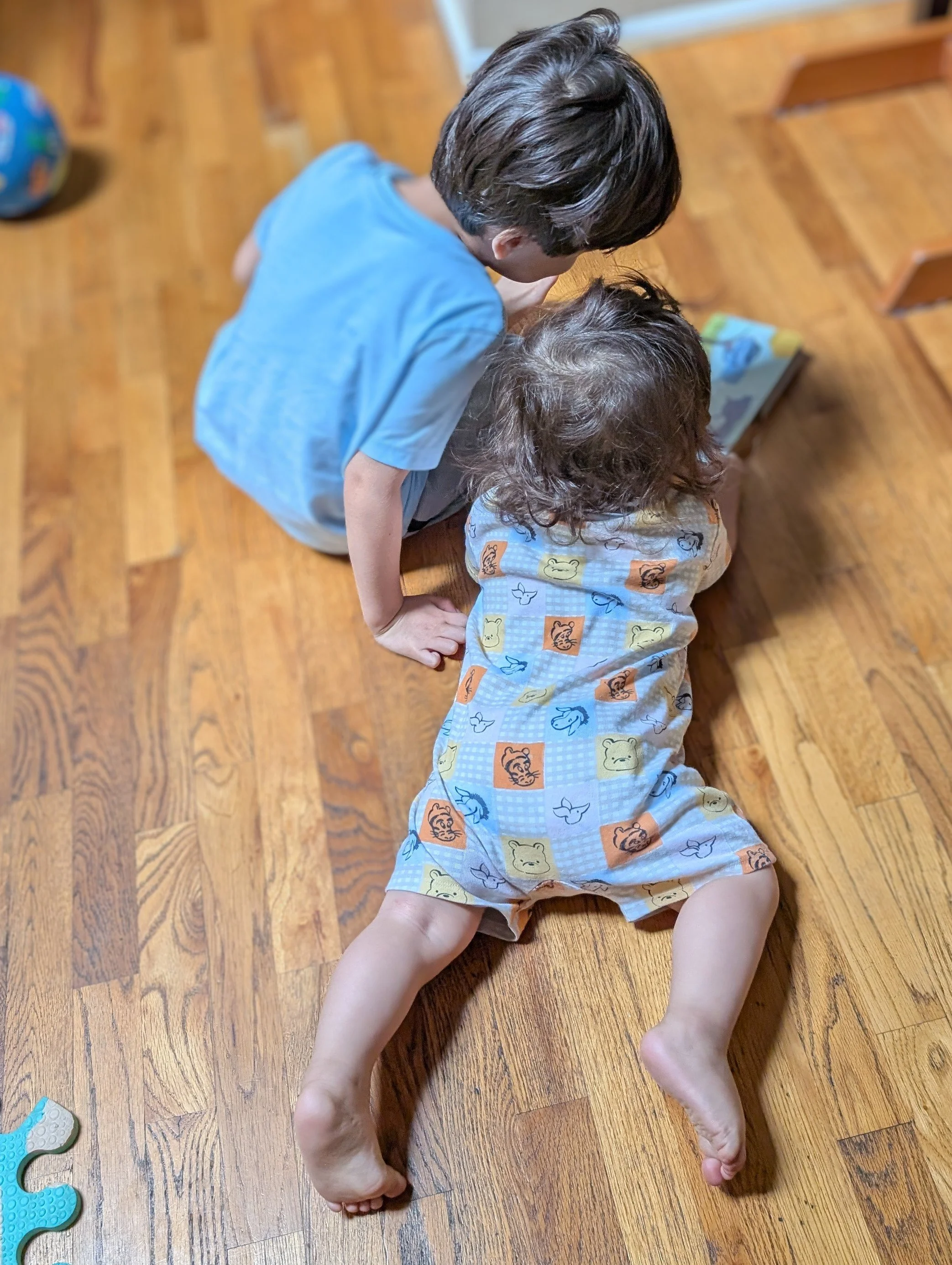
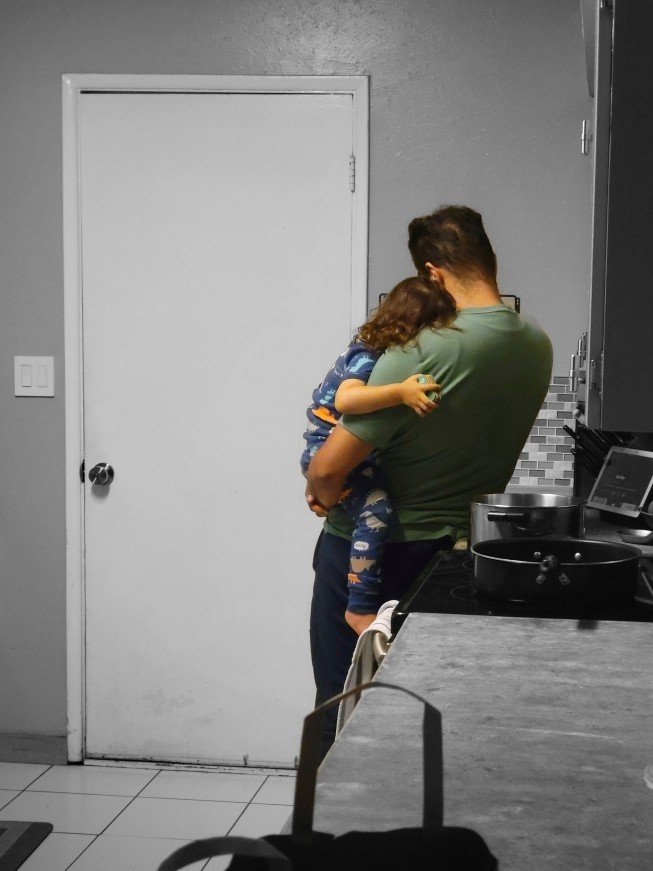
My oldest reading to my youngest =]
Why call it “foreshore”?
I named my practice this for two reasons, the first being due to the unique characteristics of the foreshore. The foreshore is a specific section of the beach, also known as the intertidal zone, where the land and ocean meet. The foreshore is subject to the constant rising and falling of the tides; at some points in the day it may be completely submerged and other times completely exposed. The conditions here are perpetually in flux. Despite the continuous instability, life flourishes within the foreshore and many vibrant, hearty lifeforms call it home. I love the foreshore as a metaphor for psychological resilience; how we may not be able to control what happens to us but we can still find ways to thrive.
The second, more personal, reason for the name relates to my two boys. They are half Japanese and the meanings of their Japanese names translate to 海 (ocean) and 陸 (land). The foreshore is where the ocean and land join, symbolic of how my boys will be connected to each other throughout their lives, and I to them.
A Little More About Me
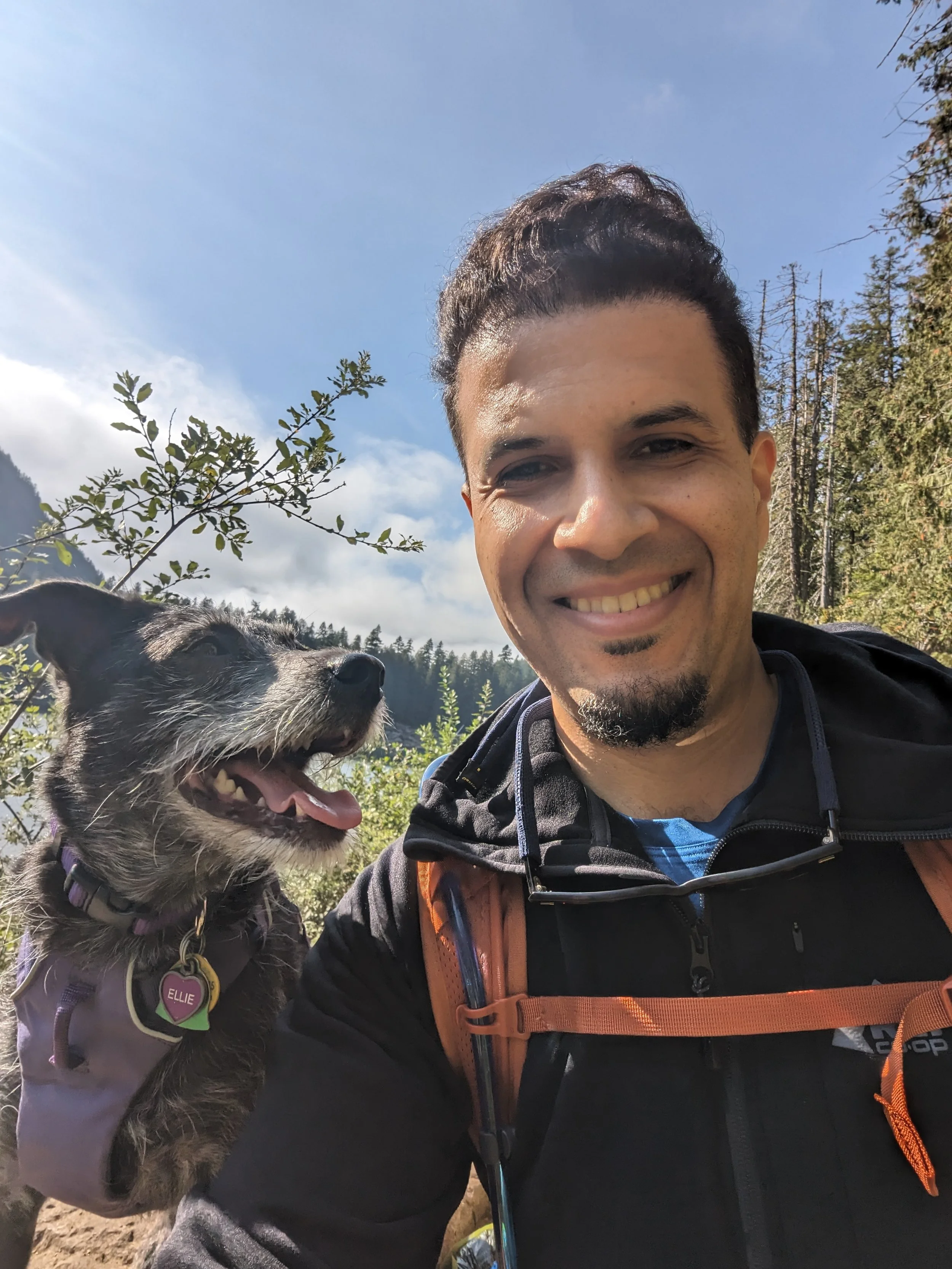
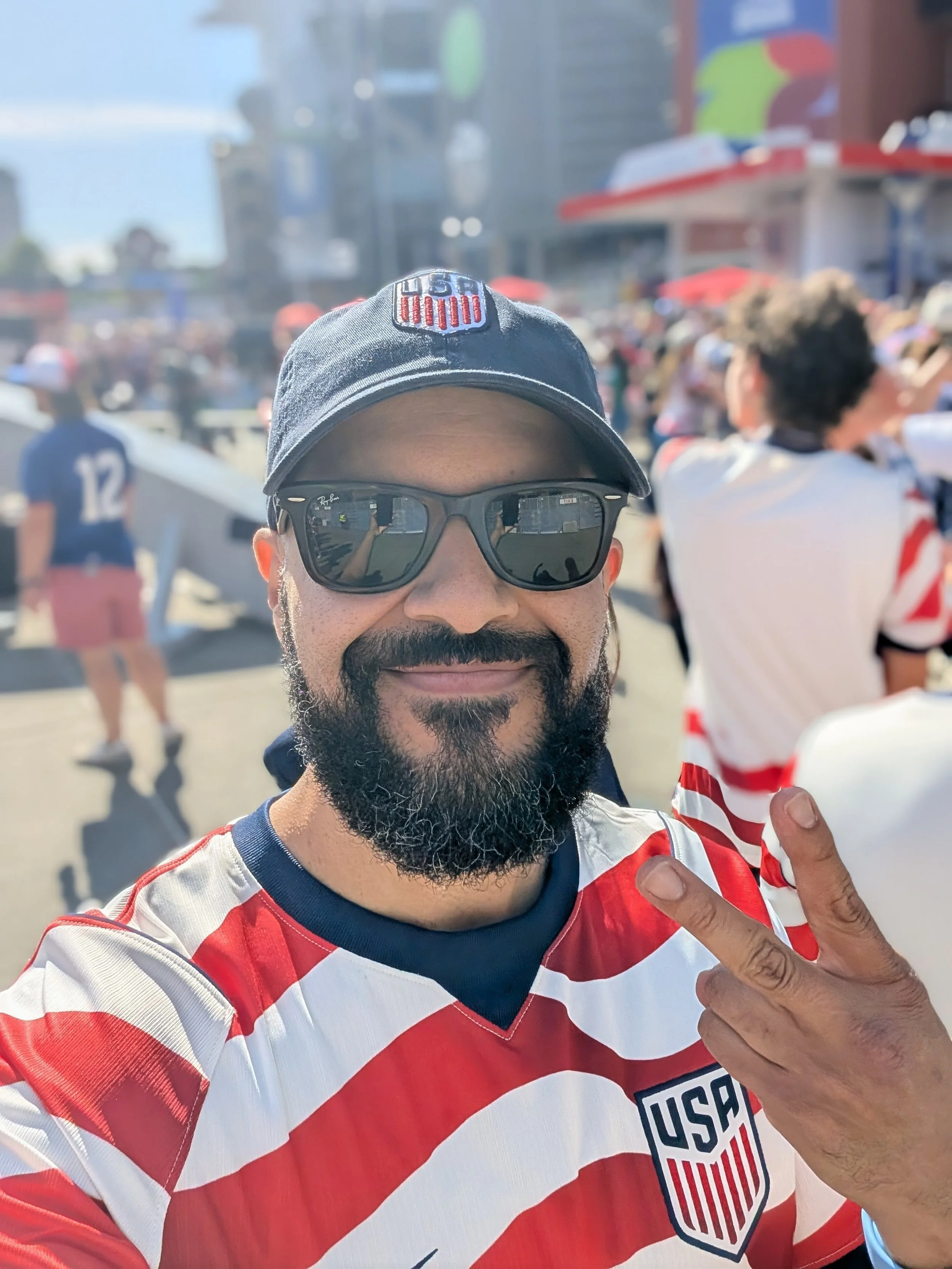
I try my best to practice what I preach and take the same concepts that come up during therapy sessions and apply them to myself. In practice, this typically leads me to seek out new experiences and opportunities to learn new skills. As such, my catalogue of hobbies is continually evolving. These days, I spend most of my time away from work engaging in narrative driven play with my oldest (usually with Transformers, Legos, and Hot Wheels), or chasing after my youngest (who seems to have two speeds: standing and all out baby-sprint). When I can make time for hobbies, I enjoy sharing experiences with my wife and my boys (e.g., having a dance party while playing records or making a mess while baking cookies). My other interests include video games, sports (basketball and football), cooking, home repair, building things with power tools, running, hiking, collecting vinyl, and playing with our dog.